

Cancer-Fighting Foods: How Protective Phytochemicals Support Prevention and Healing
Food is one of the most personal parts of healing. It shows up three times a day. And cancer-fighting foods are something you can choose, even when so much else feels out of your hands.
At Healing Points, we talk with patients across Riverhead, Water Mill, and the East End of Long Island about food every day. Some come to us hoping to lower their risk of cancer. Others are in treatment or recovery and want to know how to support their bodies through it. The question underneath is usually the same: does what I eat really matter?
It does. And the research behind it is genuinely encouraging.
How Much Does Diet Affect Cancer Risk?
The American Institute for Cancer Research (AICR) estimates that about one third of the most common cancers could be prevented through a healthy diet, regular physical activity, and maintaining a healthy weight. That figure does not even include smoking. For colorectal cancer, AICR places the number closer to half.
That is a meaningful share of risk living in everyday choices. It does not come from perfection or one miracle food. It comes from a pattern of eating, repeated over months and years.

What Are Phytochemicals?
Phytochemicals are natural compounds that plants produce to protect themselves from sun, pests, and disease. They give fruits and vegetables their deep colors, sharp scents, and distinct flavors. When we eat those plants, many of these compounds go to work protecting us too.
Scientists have identified thousands of them. In laboratory and population studies, many phytochemicals help calm inflammation, neutralize free radicals, strengthen immune function, support the body’s natural detoxification, and slow the growth of abnormal cells.
Our Healing Foods and Protective Phytochemicals chart groups them into families. Here is the quick reference, followed by a closer look at each one.
Healing Foods and Protective Phytochemicals at a Glance
| Phytochemical family | Key compounds | Food sources | Protective actions |
|---|---|---|---|
| Carotenoids | Beta-carotene, lycopene, lutein, zeaxanthin | Apricots, broccoli, cantaloupe, carrots, leafy greens, oranges, sweet potatoes, tomatoes, watermelon, winter squash | Inhibit cancer cell growth, work as antioxidants, improve immune response |
| Flavonoids | Anthocyanins, quercetin | Apples, citrus fruits, onions, soybeans and soy products, coffee, tea | Inhibit inflammation and tumor growth, aid immunity, boost detoxifying enzymes |
| Indoles and glucosinolates | Sulforaphane | Broccoli, Brussels sprouts, cabbage, collard greens, cauliflower, kale | Detoxify and block carcinogens, limit cancer-related hormones, prevent tumor growth |
| Isothiocyanates | Isothiocyanates | Cruciferous vegetables | Detoxify carcinogens, block tumor growth, work as antioxidants |
| Inositol | Inositol | Bran from corn, oats, and rice; nuts; tofu, soy milk, edamame | Slow abnormal cell growth, work as an antioxidant |
| Isoflavones | Daidzein, genistein | Tofu, soy milk, edamame | Inhibit tumor growth, limit cancer-related hormones, work as antioxidants |
| Polyphenols | Ellagic acid, resveratrol | Apples, berries, citrus fruits, grapes, green tea, whole grains | Help prevent cancer formation and inflammation, work as antioxidants |
| Terpenes | Limonene, carnosol | Cherries, citrus peel, rosemary | Protect cells, slow cancer cell growth, strengthen immunity, fight viruses, limit cancer-related hormones |
Download our printable Healing Points food chart to keep on your refrigerator.
Cancer-Fighting Foods and the Phytochemicals Inside Them
Carotenoids: Eat the Color Spectrum
Carotenoids, including beta-carotene, lycopene, lutein, and zeaxanthin, give red, orange, and green produce their vibrant color. Look for them in apricots, carrots, sweet potatoes, tomatoes, cantaloupe, watermelon, winter squash, oranges, broccoli, and leafy greens.
Carotenoids work as antioxidants, support immune response, and have been shown to inhibit cancer cell growth in research settings. A helpful tip: carotenoids absorb better with a little fat, so roast squash in olive oil or add avocado to a salad.
Flavonoids: Everyday Protection
Flavonoids such as anthocyanins and quercetin are found in apples, citrus fruits, onions, soy foods, coffee, and tea. These compounds help quiet inflammation, support immunity, and inhibit tumor growth. They also encourage the body to produce more of its own detoxifying enzymes, which is one reason a morning cup of tea can be more than a comfort.
Cruciferous Vegetables: Indoles, Glucosinolates, and Isothiocyanates
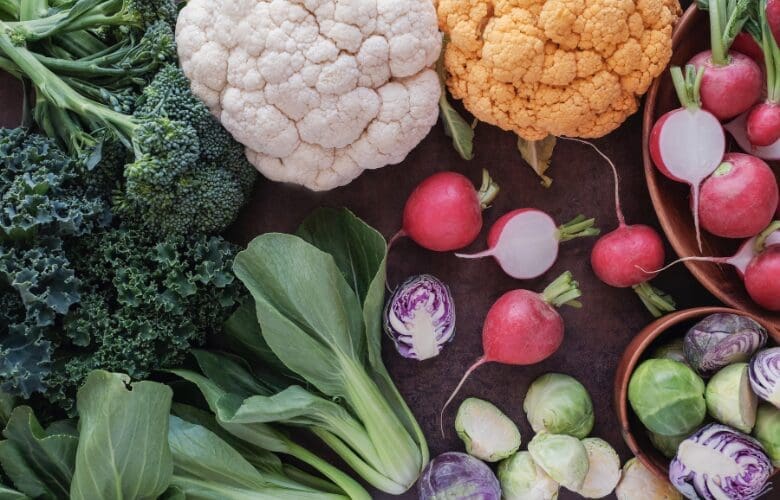
Broccoli, Brussels sprouts, cabbage, collard greens, cauliflower, and kale are some of the most studied cancer-fighting foods. They contain glucosinolates, which the body converts into active compounds like sulforaphane, indoles, and isothiocyanates.
These compounds help the body detoxify and block carcinogens, prevent tumor growth, and may limit the production of cancer-related hormones. To get the most benefit, chop your broccoli or cabbage and let it sit a few minutes before lightly steaming. Broccoli sprouts are an especially concentrated source.
Soy Foods: Isoflavones and Inositol
Tofu, soy milk, and edamame contain isoflavones called genistein and daidzein, along with inositol, which is also found in bran from corn, oats, and rice, and in nuts. These compounds work as antioxidants, help slow abnormal cell growth, and may limit cancer-related hormones.
Many women worry about soy, especially after a breast cancer diagnosis. Both AICR and the American Cancer Society consider whole soy foods safe, including for breast cancer survivors, and some research suggests they may be protective. The distinction that matters is whole foods versus concentrated soy supplements, which are a different conversation to have with your care team.
Polyphenols: Berries, Grapes, and Green Tea
Polyphenols like ellagic acid and resveratrol are found in apples, berries, citrus, grapes, green tea, and whole grains. They help prevent cancer formation, reduce inflammation, and protect cells from oxidative damage.
Red wine is often mentioned as a resveratrol source, but alcohol itself is linked to higher cancer risk. The better path is whole grapes, berries, and a pot of green tea.
Terpenes: Cherries and Citrus Peel
Terpenes such as limonene and carnosol are found in cherries and citrus peel, and carnosol is also abundant in rosemary. They help protect cells from becoming cancerous, slow cancer cell growth, strengthen immune function, and fight viruses. Zest organic lemons and oranges into dressings, water, and baking to put the most potent part of the fruit to use.
The Role of Food During Cancer Treatment and Recovery
Diet matters for prevention, and it matters for healing too. During and after treatment, good nutrition helps maintain strength and muscle, protect healthy tissue, support immune function, and restore energy. Many patients tell us that eating well gives them a sense of participation in their own recovery, and that feeling matters.
There is one important note. Some concentrated supplements and high-dose antioxidants can interact with chemotherapy and radiation, and certain foods like grapefruit can affect how medications work. Food first is almost always the safest approach, and any nutrition plan during treatment should be coordinated with your oncology team. Integrative care works best as a partner to that team, never a replacement.
How to Build a Cancer-Protective Plate
You do not need to overhaul everything at once. Small, steady changes add up.
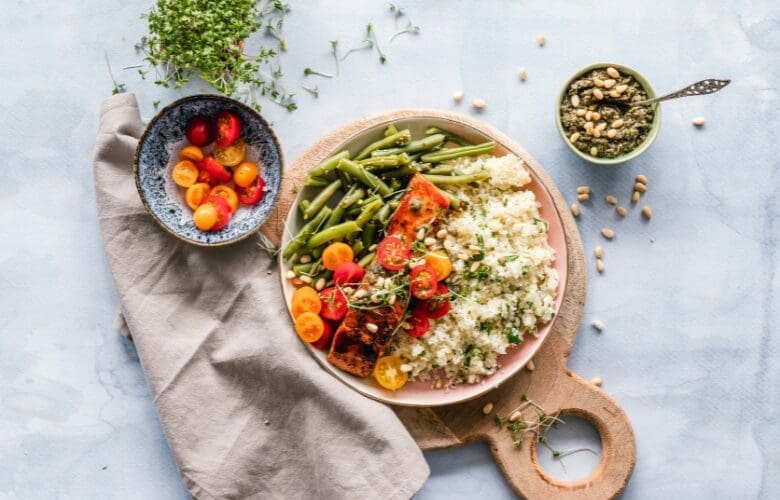
- Fill half your plate with vegetables and fruit in as many colors as you can.
- Eat cruciferous vegetables several times a week. Roasted Brussels sprouts and sautéed kale count.
- Choose whole grains and beans for fiber, which supports gut health and lowers colorectal cancer risk.
- Drink green tea in place of a second coffee or a sugary drink.
- Cook with herbs and spices like rosemary, turmeric, garlic, and ginger.
- Limit processed meats, red meat, alcohol, and added sugar.
How Healing Points Can Help
Dr. Michelle Iona, DACM, L.Ac., uses a functional medicine approach to look at the whole person: digestion, inflammation, stress, sleep, and the patterns that influence long-term health. Whether you want to lower your risk or support your body during and after treatment, our cancer care and functional nutrition services can help you build a nourishing plan that fits your life and complements your medical care.
We see patients at our Riverhead and Water Mill locations. Call (631) 653-5314 or book online to schedule a consultation.
Frequently Asked Questions
What foods help prevent cancer? Colorful vegetables and fruits, cruciferous vegetables like broccoli and kale, berries, whole soy foods, green tea, whole grains, and beans are among the most studied cancer-fighting foods. Their protective power comes largely from phytochemicals and fiber.
What are phytochemicals? Phytochemicals are natural compounds in plants that help protect cells, reduce inflammation, support immunity, and assist the body’s detoxification.
Is soy safe after breast cancer? According to AICR and the American Cancer Society, whole soy foods like tofu, edamame, and soy milk are considered safe for breast cancer survivors. Talk with your care team before taking soy supplements.
Can diet cure cancer? No food cures cancer. A protective diet can lower risk and support strength, immunity, and recovery alongside medical treatment.
Should I take antioxidant supplements during cancer treatment? Not without guidance. Some supplements can interact with chemotherapy and radiation. Focus on whole foods and review any supplement with your oncology team.
This article is for educational purposes and is not a substitute for medical advice. Please consult your physician or oncology team before making changes to your diet during cancer treatment.
Sources: American Institute for Cancer Research (aicr.org); American Cancer Society (cancer.org)